What we know and do not know. The BEA, the NTSB and the FAA have determined no cause for any of this month’s accidents. The Elixir flight was a production test flight. The Oregon helicopters were on an instructional flight and a maintenance flight. The Yosemite preliminary report records that mechanics adjusted the bucket’s regulator earlier that day. We draw no conclusion from any of it, only a question about how such flights are controlled.
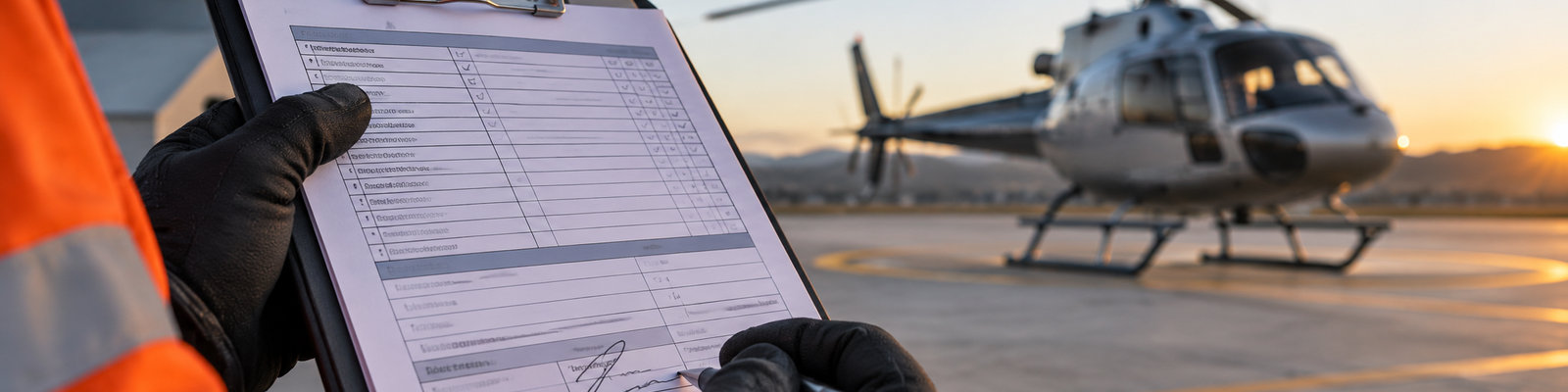
Non-routine flights are easy to under-plan. A check flight after maintenance, a test flight or a training flight rarely has a customer waiting, a schedule to defend or a standard task card. It can slip below the operator’s normal risk assessment, and a contract owner usually never sees it. Yet it is the flight that proves work done on the aircraft, often with one pilot and no one to share the workload.
Others in the sky may not know. The Oregon accident involved two helicopters on flights outside a normal passenger schedule. A company that sends aircraft to a site may have little idea what else the operator, a flying school or a maintenance organisation is flying in the same area. Ask where these flights operate and how they are separated from contracted flying.
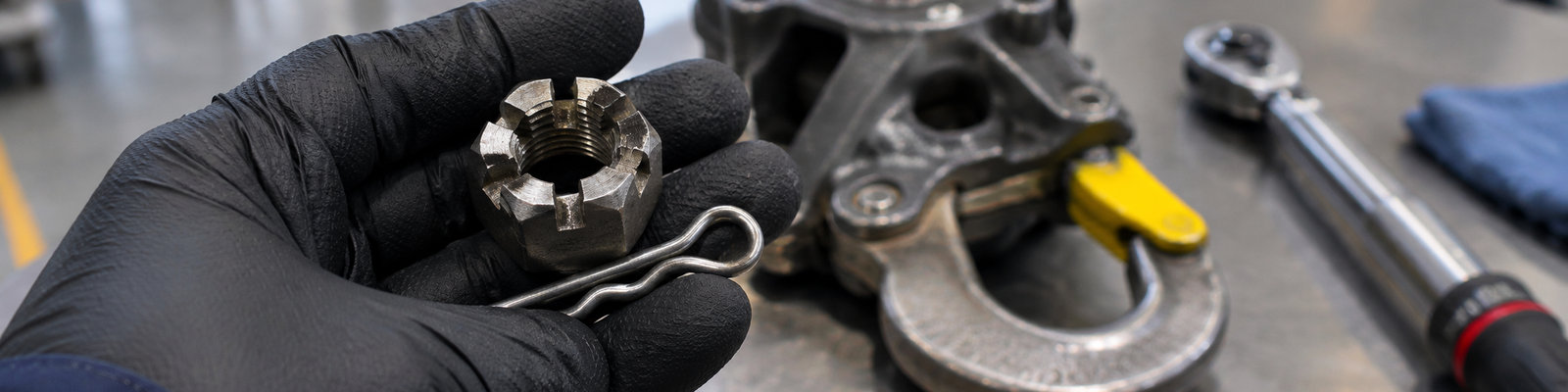
The factory and the hangar are part of the flight. Two directives this month concern parts and assemblies released with defects: a coating missing from a bearing and bolts missing from a hook assembly. A third followed a clamp that separated and rested on a drive shaft. Independent inspection of critical tasks, tool control and receipt checks are what stand between a defect and the first flight. Ask the operator to show them working.
Six controls to verify for check, test and training flights
Mapped to BARS (CAO v11) · SWA services
VERIFYDoes it work here, today?
PRIORITISEWhat matters most?
CONTROLWhat keeps it working?
ASSUREIs it still working?
Plan the flight after work as a task of its own
Ask for the procedure: who authorises a check or test flight, what profile and crew it uses, whether passengers are excluded, and where it is risk assessed. Ask for the last three check-flight records.
BARSCAO v11 · Common Control 1.15 Operational Risk Assessment; Control 23.4 Standard Operating Procedures
SWAAviation governance systems
Test independent inspection of critical maintenance tasks
List the tasks the operator treats as critical and have a second person’s sign-off checked against the job cards for a sample of recent work. Ask how tools and fasteners are counted out of the aircraft.
BARSCAO v11 · Control 10.10 Critical Maintenance Tasks and Independent Inspections; Common Control 1.6 Maintenance Personnel Qualification
SWACritical control verification
Check what the operator does with directives and supplier defects
Ask how directives and manufacturer bulletins reach the operator, who assesses them for the fleet, and how new and overhauled parts are inspected on receipt. Sample a recent directive from receipt to closure.
BARSCAO v11 · Control 10.4 Supply of Spares; Common Control 1.13 Aircraft Operator SMS
SWAOperational reviews
Map the other flying near your sites
Ask where the operator’s training, test and maintenance flights operate, and which other organisations fly near your sites. Put assurance effort on sites with the most mixed flying and the least air traffic service.
BARSCAO v11 · Control 9.2 Air Traffic Control (ATC) Oversight; Common Control 1.15 Operational Risk Assessment
SWAAviation exposure baseline and risk profile
Require a stop-and-brief after equipment is adjusted
Set a rule that adjusted or repaired equipment, such as a bucket regulator, is checked and the crew re-briefed before the next task, and that any crew member can stop it without penalty.
BARSCAO v11 · Control 23.4 Standard Operating Procedures; Common Control 1.15 Operational Risk Assessment
SWAAviation training (MCAR, helicopter external load)
Report anomalies from non-routine flights
Ask the operator to report every warning, abnormal indication and adjustment found on check, test and training flights, and to tell you of any that touch your contract.
BARSCAO v11 · Common Control 1.14 Accident and Incident Notification; Common Control 1.13 Aircraft Operator SMS
SWASpecialist aviation advisory
Critical controls that matter this month
Two of the five critical controls bear on this topic. Weather, Infrastructure and Fuel do not feature.
Aircraft
Two directives this month trace to defects introduced in manufacture or assembly, and the Yosemite report records an adjustment made the same day. Ask what independent inspection, tool control and post-work checks the operator applies, and who decides a check flight is needed.
BARSCAO v11 · Control 10.10 Critical Maintenance Tasks and Independent Inspections; Control 10.4 Supply of Spares
Personnel
The Oregon maintenance flight had one pilot, and the Oregon training flight carried an instructor and a student. Ask who is qualified to fly check and test flights, whether a second crew member is used, and how workload is managed on those flights.
BARSCAO v11 · Common Control 1.4 Flight Crew Qualifications, Experience and Recency; Common Control 1.5 Flight Crew Check and Training
Close the loopInside your own organisation, make the person who owns the helicopter contract responsible for finding out about every check, test and training flight the operator plans at or near your sites, and for reporting directives, deferred defects and equipment adjustments that affect your flying to the executive who accepted the risk. Send the decisions back to the site, project and logistics managers who book flights, so no task is added on a day the operator has told you work or testing is under way.